
The Problems Buyers May Spot Before You Sell |
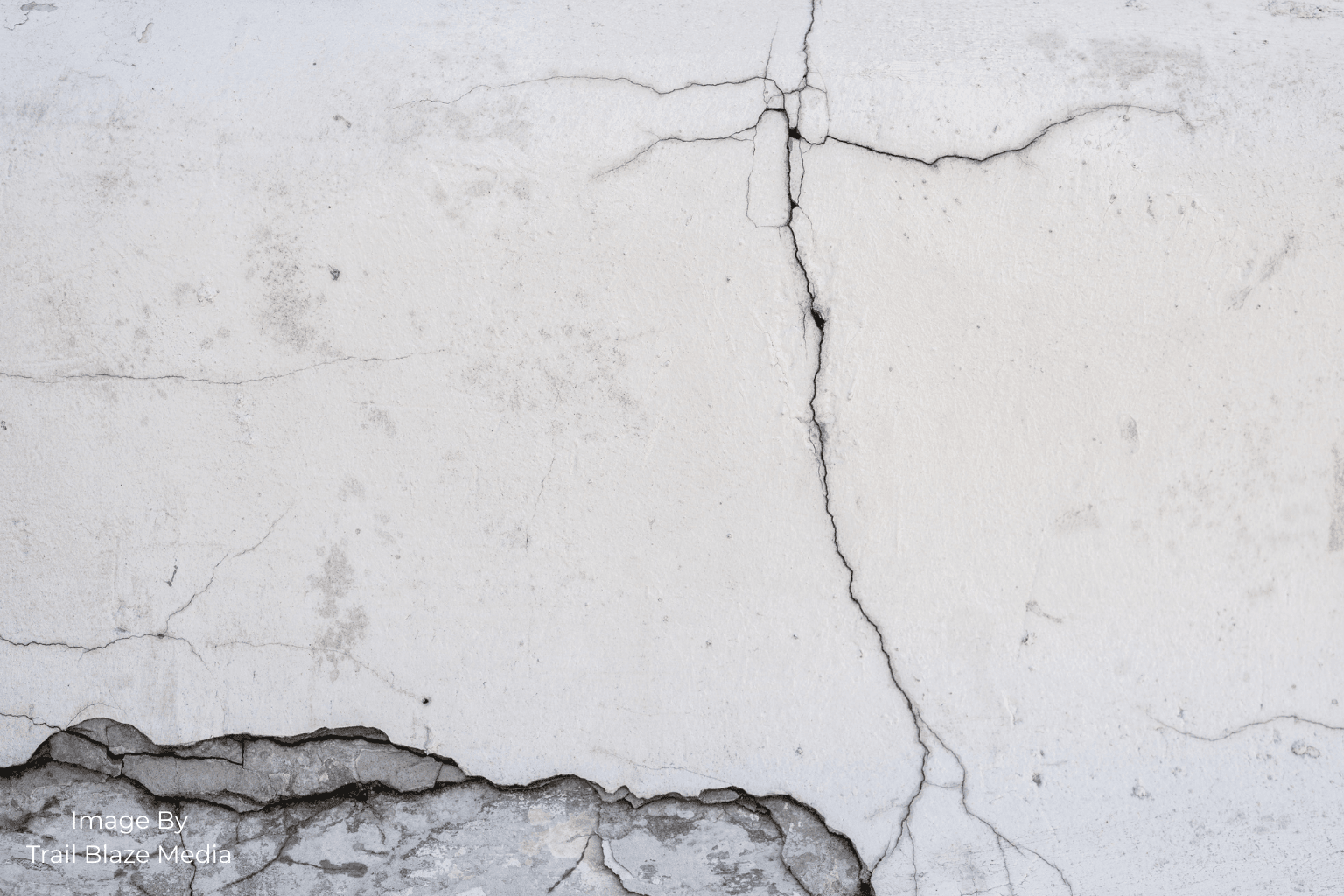
A crack doesn't automatically mean subsidence and a damp smell doesn't mean disaster. But some warning signs can turn into awkward questions once your buyer starts investigating |
There are two ways to discover there's a problem with your house.
You can notice it before putting the property on the market.
Or your buyer's surveyor can notice it three weeks after you've accepted an offer.
Most sellers would probably choose the first.
That doesn't mean hunting around your home looking for disasters that don't exist.
A hairline crack isn't automatically subsidence. A little condensation doesn't mean the house is riddled with damp.
But if there's something you've been ignoring for years, selling is a good time to find out what it actually is.
That crack you've stopped seeing
Homes crack.
Plaster cracks. Buildings settle. Extensions meet older walls. Small hairline cracks can be completely unremarkable.
What deserves more attention is significant or unusual cracking particularly if it runs diagonally, continues through brickwork, repeatedly appears around doors or windows, or accompanies other changes such as doors suddenly sticking.
Uneven floors, bulging walls or obvious movement outside are also things a buyer or surveyor may question.
Don't diagnose it yourself from an internet photograph.
If something looks genuinely concerning, finding out what you're dealing with before the sale gets serious puts you in a much better position.
“Can you smell damp?”
Possibly one of the least enjoyable questions to hear during a viewing.
Damp can have several causes, and that's precisely why simply painting over a mark before photographs are taken isn't much of a solution.
Look for recurring staining, peeling paint or wallpaper, mould, damaged plaster and persistent musty smells.
Also look outside. Blocked gutters, leaking pipes, damaged pointing and poor drainage can all contribute to moisture problems.
The important thing isn't to turn yourself into a damp specialist.
It's to recognise when something needs investigating rather than disguising.
Look upwardsA roof doesn't have to look brand new.
Buyers will, however, notice missing or slipped tiles, sagging areas, damaged guttering and signs of water getting into the loft.
If you know there's been a leak, don't assume nobody will ask about it.
And if you've had repair work done, keep the paperwork.
A buyer may be considerably more relaxed about an old problem if you can show what happened and what was done about it.
What about the electrics, boiler and plumbing?
Most buyers aren't going to start dismantling your consumer unit during a viewing.
They may still ask when the boiler was installed, when it was last serviced and whether electrical work has been carried out.
If you've got certificates, guarantees, service records or invoices, find them now rather than trying to remember which kitchen drawer swallowed them five years ago.
The same applies to windows, roofing work and other significant improvements.
A folder of boring paperwork can become surprisingly attractive when somebody is deciding whether to spend hundreds of thousands of pounds on your house.
Extensions and alterations can create questions tooThat lovely extension may be one of the reasons somebody wants the house.
They may also want to know whether the necessary permissions and approvals were obtained.
The same can apply to loft conversions, structural alterations and other significant work.
If you've changed the property, gather whatever planning, building-control, guarantees and related documents you have before they're requested.
Missing paperwork doesn't automatically mean the sale collapses.#
Discovering it's missing halfway through the legal process isn't ideal either.
Don't forget what's outside the property
Some buyer concerns aren't about the building itself.
Flood risk is an obvious example.
A buyer's legal checks can reveal information about the area around the property, while their survey looks more closely at the building.
If there's something significant you already know about, hoping nobody discovers it is not a selling strategy.
It's much better to understand what may come up and have the relevant information ready.
Should you fix everything before selling?
No.
That's how a sensible pre-sale check turns into a £25,000 renovation.
The objective isn't to hand the buyer a flawless house.
It's to separate three things:
Small jobs worth sorting now.
Bigger issues worth understanding before you sell.
Things that are perfectly acceptable but may need explaining.
If a fence panel needs fixing, fix it.
If there's a mysterious major crack running across the back of the house, investigate it.
If the boiler is older but working perfectly well, don't automatically replace it because somebody might prefer a newer one.
Knowing what you're dealing with is often more valuable than trying to make an older property look brand new.
The awkward moment you want to avoid
You've accepted an offer.
You've started looking forward to moving.
Then the buyer's survey arrives and suddenly everybody is discussing a problem you hadn't thought about for years.
That doesn't mean every survey issue will wreck a sale. Buyers may ask questions, request further checks, renegotiate or simply decide they're satisfied.
But sellers have a considerable advantage when they aren't hearing about an important problem for the first time.
Before putting your Peterborough home on the market, walk around it once with a buyer's eyes.
Not looking for perfection.
Looking for surprises.
Property Speak — Translated
Subsidence — When the ground beneath part of a building moves downwards and causes the structure above it to move too. A crack does not automatically mean you have subsidence.
Survey — An inspection of the property's condition carried out for the buyer. Different types of survey provide different levels of detail.
Building control approval — Checks that certain building work meets required construction standards. This is different from planning permission.
Planning permission — Formal permission that may be required from the local council for certain building work or changes to a property.
Legal checks — Your buyer's solicitor or conveyancer carries out checks and enquiries about the property before the purchase is completed.
If you've sold a home before, what was the most unexpected thing a buyer or surveyor questioned? Tell us in the comments. |
0 Comments
Join the conversation
Be the first to comment
Share your thoughts above.