
Main Article Headline |
Article Sub Headline |
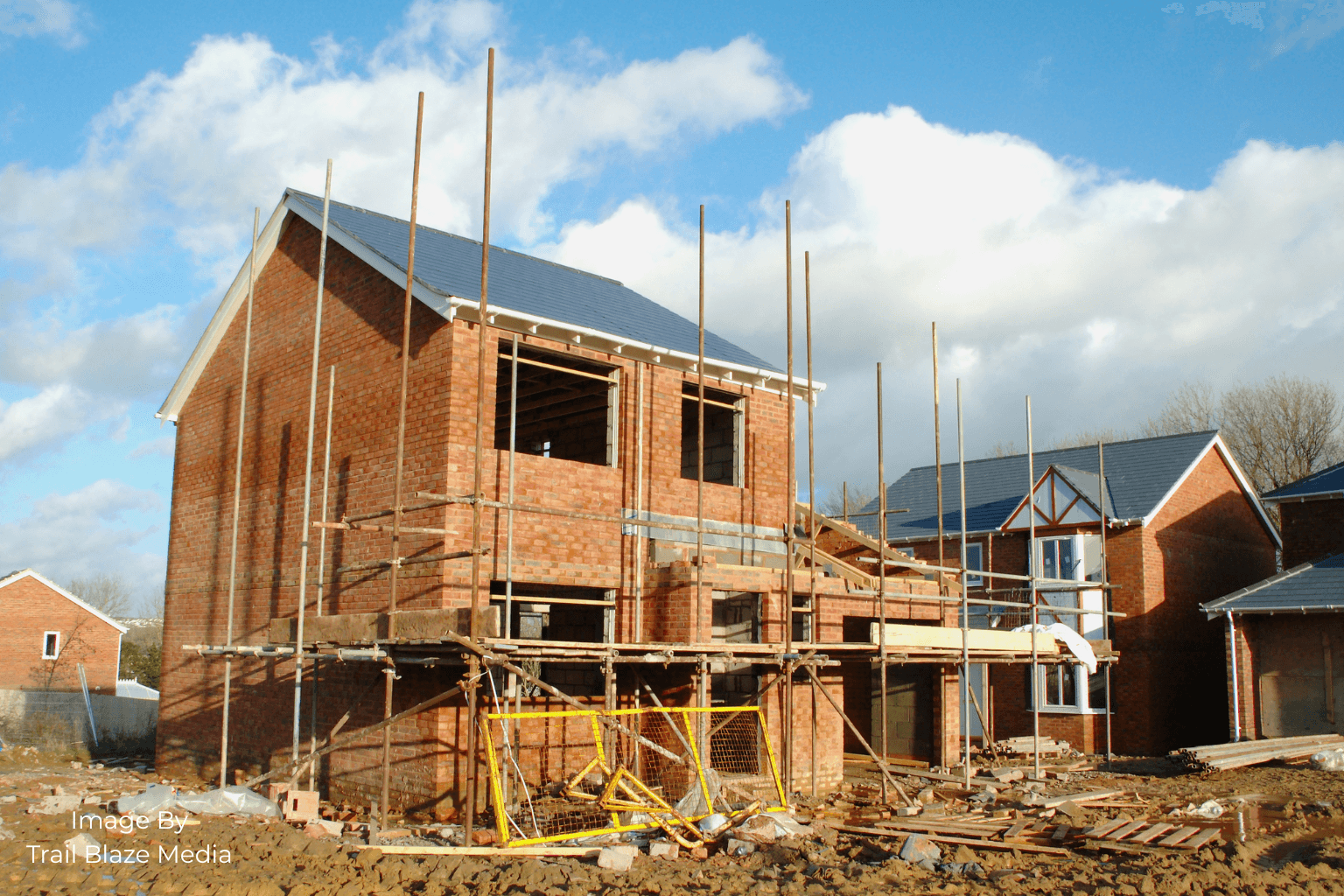
Show homes are dangerous places for the imagination.
You walk through a spotless kitchen where nobody has ever burnt dinner, into a lounge containing exactly the right amount of furniture, then upstairs to bedrooms apparently occupied by children who own four tasteful wooden toys between them.
Twenty minutes later, you're mentally arranging your sofa in a house that hasn't been built yet.
Before handing over a reservation fee, come back down to earth for half an hour.
Because the house you're buying isn't the show home.
Ask what you're actually gettingStart with your specific plot.
Which flooring is included? What about appliances? Wardrobes? Turf? Fencing? Outside taps? Lighting?
The very attractive kitchen you've just walked around may contain upgrades that aren't included in the headline price.
Get the specification for your home in writing.
Then look at the plot itself.
Which way does the garden face? Where are the bins going? What's outside the bedroom window? Where exactly are your parking spaces? How close is the neighbouring house?
A site plan suddenly becomes much more interesting when you've worked out that the attractive patch of empty land beside your garden isn't necessarily staying empty.
Find out what hasn't been built yet
This matters particularly when buying on a large or growing development.
The quiet road you're looking at today may eventually lead to another phase.
The open area opposite may have another planned use.
Access roads, play areas, drainage, shops or other development may already appear in planning documents.
Peterborough City Council has an online planning register where you can search planning applications, decisions and approved plans.
For a new-build buyer, that's somewhere I'd look before reserving. Not because every planning proposal is bad.
Because it's much nicer to discover what's planned before you buy than while watching the diggers arrive afterwards.
The council's wider Local Plan Review also looks at how Peterborough and surrounding areas could develop in the years ahead.
A sales brochure shows you the development somebody wants you to buy.
Planning information can show you rather more of the neighbourhood that may eventually surround it.
Ask about the charges nobody puts on the kitchen worktopThe purchase price isn't necessarily the end of what you'll pay.
If the property is leasehold, find out the length of the lease and what ongoing charges apply.
If it's a freehold house on a managed development, there may still be an estate-management charge for shared areas, landscaping, roads or other communal facilities.
Ask:
How much is it now? What does it pay for? How can it increase? Who manages the estate?
And get the answers in writing.
A few hundred pounds a year may not change your decision.
Discovering it after you've emotionally moved into the house is rather more irritating.
Read the reservation agreement before paying
A reservation isn't simply somebody putting a red sticker on the site plan.
The agreement should tell you which property you're reserving, the fee you're paying, the terms for cancelling and what happens to that money if you change your mind.
For developers covered by the New Homes Quality Code, buyers generally have a 14-day cooling-off period.
Check whether the developer you're buying from is covered, what cancellation deductions could apply and exactly what you've agreed to.
If anything is unclear, ask your conveyancer the legal professional handling the purchase rather than relying solely on the person selling the home.
Don't let the build outrun your mortgageBuying something that isn't finished creates another wrinkle.
Mortgage offers don't last forever.
If completion moves back, will yours still be valid?
Ask your mortgage adviser or lender how long the offer lasts and what happens if the build is delayed beyond that date.
The same applies if you're renting while you wait.
A completion date moving by several weeks sounds manageable until you've already given notice on the place you're living in.
Don't save the snagging conversation until moving dayBrand new doesn't mean flawless.
Doors can stick. Paintwork can be marked. Sockets can be wrong. Sealant can be untidy.
Cupboard doors can decide they don't particularly want to meet in the middle.
Before completion, ask what inspection you're allowed to carry out and how defects should be reported.
Keep a written snagging list with photographs rather than relying on conversations in the sales office.
Also ask which new-home warranty covers the property and what happens if a problem appears after you've moved in.
The boring questions are usually the expensive onesThe colour of the kitchen units is considerably more entertaining than estate-management arrangements.
Unfortunately, ten years from now you probably won't still have the same kitchen.
You may still be paying the estate charge.
So enjoy the show home.
Open the cupboards.
Stand in the enormous shower.
Decide where the sofa would go.
Then get out the site plan, planning information, reservation agreement and list of charges.
The show home sells you the feeling. Make sure the paperwork still sells you the house.
Property Speak — Translated
Reservation fee — Money paid to take a particular new-build home off the market for an agreed period while the purchase progresses.
Estate-management charge — A recurring payment towards maintaining shared parts of some developments, even where individual houses are freehold.
Conveyancer — The solicitor or licensed conveyancer carrying out the legal work for your purchase.
Snagging — Checking a newly built home for defects, unfinished work and smaller faults that need correcting.
Exchange of contracts — The stage when signed contracts are exchanged and the purchase normally becomes legally binding.
If you've bought a new-build around Peterborough, what do you wish you'd asked before reserving it?
Tell us in the comments especially if it was something you only discovered after moving in. |
0 Comments
Join the conversation
Be the first to comment
Share your thoughts above.