
Main Article Headline |
Article Sub Headline |
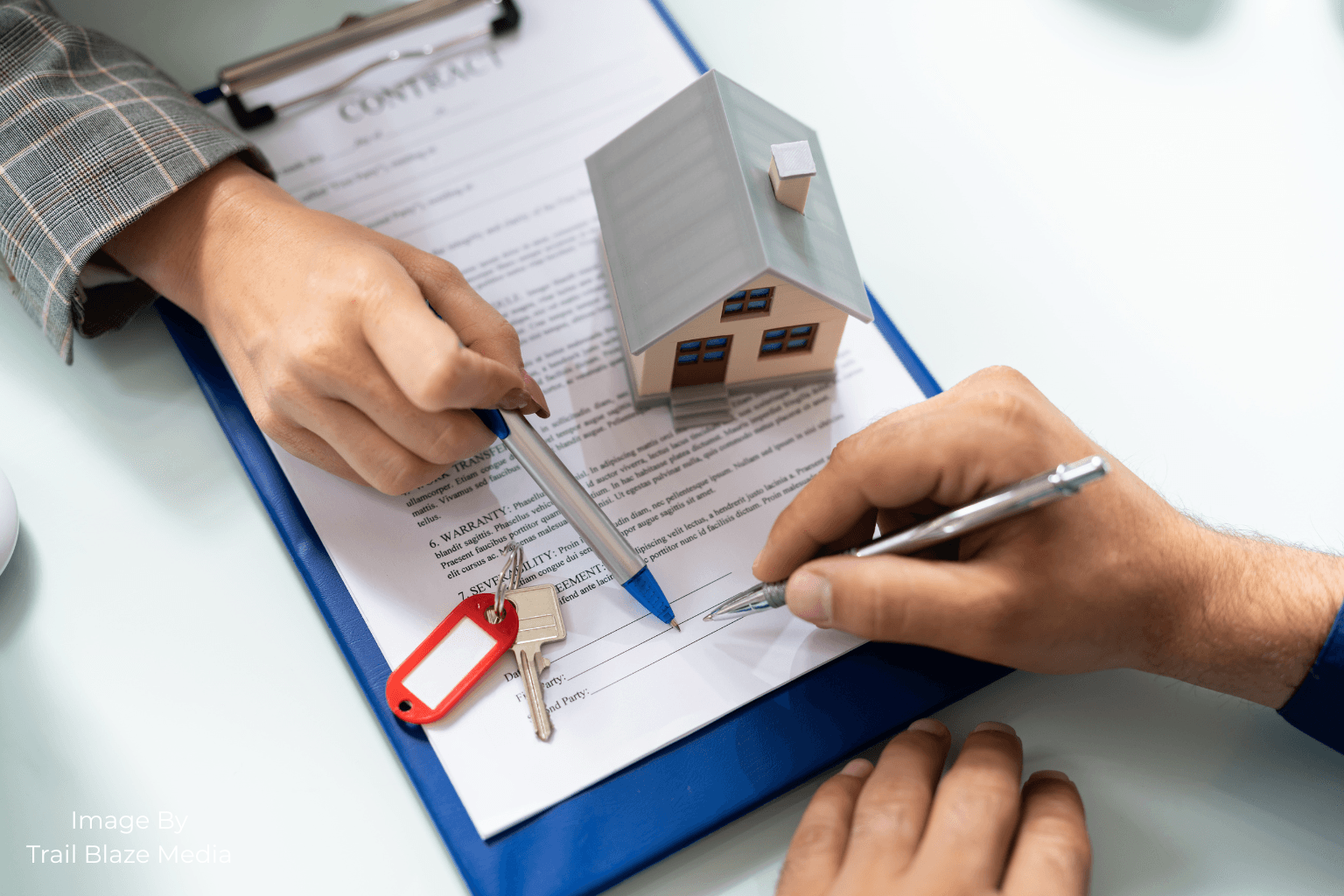
There are few moments in house buying quite like deciding what number to offer.
The house is £275,000.
You like it.
The seller obviously wants £275,000.
You'd rather pay £250,000.
And somebody inevitably says:
“Offer £240,000. You can always go up.”
You can.
You can also annoy the seller, lose the house to somebody else and spend the following Saturday viewing three properties you don't like nearly as much.
So how low should you actually go?
The asking price isn't a valuation certificate
A seller can ask whatever they like.
That doesn't mean somebody will pay it.
Peterborough's official average house price was around £235,000 in July 2026, but even that fairly simple number hides enormous differences.
Detached homes averaged around £379,000, semis £243,000, terraces £191,000 and flats £112,000.
Useful background. Almost useless for deciding whether that particular house on that particular street is worth £275,000.
For that, look at homes nearby that have actually sold.
And compare like with like.
A beautifully finished three-bedroom semi with a driveway, good garden and new kitchen isn't directly comparable with one around the corner needing a roof, boiler and several weekends with a skip.
When going lower makes sense
Sometimes the evidence is almost inviting you to negotiate.
The property has been for sale for months.
The asking price has already been reduced.
Similar homes nearby have sold for less.
There is obvious expensive work ahead.
Or perhaps the seller simply wants to get moving.
That's very different from spotting a newly listed house at £300,000 and deciding £260,000 sounds nicer.
There's another bargaining chip buyers sometimes underestimate: you.
Imagine two offers.
Buyer A offers £270,000 but hasn't sold their own house yet.
Buyer B offers £265,000, has no property to sell, has their deposit ready and already has an initial indication from a lender of what they can borrow.
Which one looks more attractive?
It isn't automatically the higher number.
Certainty has value when somebody is trying to get an entire house move across the line.
Don't negotiate against a percentage you invented
“Always offer 10% below asking.”
Why?
There isn't a rule.
Ten per cent off a wildly optimistic asking price might still be too much.
Ten per cent off a competitively priced house with three interested buyers could see you out of the running before you've started.
Your offer should have a reason behind it.
Perhaps similar homes have recently sold around £285,000 and this one is asking £300,000.
Perhaps the bathroom needs replacing.
Perhaps you've discovered the roof needs attention.
Perhaps it's been sitting unsold while comparable properties have disappeared.
Now you have a conversation.
“We've looked at the recent sales nearby and taken the work into account. We'd like to offer £285,000.”
That's rather different from:
“We'll give you £270,000 because you never know.”
When a low offer can backfirePicture the other situation.
The house appeared online on Thursday.
You viewed it Saturday morning.
You love it.
It's sensibly priced.
There are more viewings Saturday afternoon.
And you decide to open 15% below asking because somebody on the internet told you that's how property negotiation works.
You may never get the chance to make offer number two.
A seller doesn't have to work their way through your negotiation strategy.
They can simply accept somebody else's offer.
The same applies to homes that are difficult to replace.
If you've spent six months looking for a particular type of house in a particular part of Peterborough and finally found it, saving another £5,000 may matter less than actually buying it.
That doesn't mean paying anything the seller asks.
It means knowing the difference between a house and the house you really don't want to lose.
Make yourself part of the offer
When you make your offer, don't give the estate agent only a number.
Tell them your position.
Do you have a property to sell? If so, is it already under offer? Do you have your deposit? Have you spoken to a lender? How quickly could you move?
Then explain the number if there's a genuine reason behind it.
You're trying to make the seller think:
“That's a credible buyer making a credible offer.”
Not:
“Here we go.”
Decide your ceiling before you startThis is the part people forget when they fall in love with the kitchen.
Work out the highest price you're genuinely comfortable paying before the negotiations begin.
If that's £287,000, know it.
Otherwise £280,000 becomes £285,000.
Then £288,000.
Then somebody says another buyer is interested.
Suddenly you're at £295,000 because losing feels worse than spending.
Winning a bidding battle isn't much of a victory if you wake up the following morning wondering what you've done.
Accepted doesn't mean finished
Even after the seller says yes, the purchase isn't legally binding in England at that point.
The mortgage still needs progressing.
The legal work still needs doing.
The survey may uncover something unexpected.
Until contracts are exchanged, either side can still withdraw.
So celebrate the accepted offer.
Just perhaps don't order the sofa quite yet.
Property Speak — Translated
Comparable sales — Similar nearby properties that have actually sold. They're usually much more useful than comparing your target home with other sellers' asking prices.
Chain-free — You don't need to sell another property before you can buy. That can make you more attractive to a seller.
Mortgage agreement in principle — An initial indication from a lender of roughly how much it may be prepared to lend, subject to its full checks.
Exchange of contracts — The point at which signed contracts are exchanged and the purchase normally becomes legally binding.
Have you ever offered below asking price on a Peterborough home?
Did the seller accept, negotiate or tell you where to go?
Tell us in the comments. |
0 Comments
Join the conversation
Be the first to comment
Share your thoughts above.